

Description
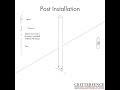
These fence kits are engineered to exclude and contain animals that climb. That makes this kit a practical option for projects where climbing animals may approach the fence from either side. A great example of a perfect application is for cat or dog containment. These kits contain adjustable solid steel extenders that slide over and mount on the top of support posts, creating a canopy that animals aren't able to climb over. The height of the fence kit includes the post extender.
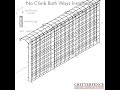
For example, an 8’ fence kit has a 7’ finished height above ground posts, with the post extender raising the overall height to 8’ above ground. The highest point is the top of the post extender. These kits have at least two layers of fencing that need to be spliced together with included fence ties or (suggested) a hogringer hand tool with hogrings (available separately). For this 8’ x 100’ Selectable Strength kit, review the finished height, mesh layers, no-climb extender setup, bottom wire selection, and installation layout before ordering to confirm the configuration matches your project.
What’s included
- 9 black steel 1 ⅝” – 7’ finished height fence posts
- 18 black powder-coated solid steel no-climb post extenders
- 9 caps for posts (installed on posts already)
- 9 no-dig ground sleeves for posts
- 9 locking set screws installed in sleeves (makes posts removable or permanent - patent pending)
- 1 7 ½’ x 100’ roll of Critterfence® 700 GRB black poly fence mesh
- 1 4’ x 100’ roll of Critterfence® 700 GRB black poly fence mesh
- 1 3’ x 100’ roll of Critterfence® Steel Grid black PVC coated steel chew barrier (selected above)
- 1 large driving anvil for post sleeves per order (if multiple kits are ordered, only one anvil is shipped)
- 5 10” 120lb breaking strength black fence ties, 100pk
- 2 12” kinked galvanized ground stakes, 30pk
- 2 white warning banners, 14pk
- fence instructions
Bottom Wire Choices:
This bottom wire fencing is engineered to exclude animals with sharp teeth or very small critters that could otherwise gain access. Choose the bottom wire option based on the animal pressure, desired overlap, and opening size needed for the project. Here's what's suggested:
- 3’ Critterfence® Steel Grid 1" square opening size: same as above, but added height for groundhogs/woodchucks, pet containment or coyote exclusion
- 4’ Critterfence® Steel Grid 1" square opening size: same as above, but added additional width. This is typically used by customers who want to increase the amount of overlap on the ground from the standard 6" or wish to bury part of the fencing
- 3’ and 4’ tall ½" Square Opening Steel Grid: Used for the same applications above, only this mesh has a smaller opening size. This metal bottom wire fencing is used to exclude even the smallest animals like moles/voles and snakes. It's roughly twice as heavy and strong.
- Critterfence® Steel Web: 1" opening size black PVC-coated galvanized steel hex mesh or netting. Choose this option if you're matching up with an existing fence that has this material already
As an option in this fence kit, you can choose fence mesh formulated with Bitterfence® anti-chew additive. Bitterfence® combines the properties of traditional poly deer fence with additives as a chew deterrent. These additives are captured in the polymer itself to protect it from chewing. This option can be useful for projects where chewing pressure is a concern and added deterrence is preferred.
Notes:
Posts are round galvanized inside and out then black powder coated - no-dig sleeves are heavily galvanized inside and out for extreme long life - ground sleeves go into the ground 30", the finished height of the fence posts is the height above ground (for example, 8ft finished height is 8 feet above the ground once the sleeve is in the ground and the post has been installed into the sleeve). This means the listed finished height refers to the installed above-ground height, not the total post length before installation.
All posts with ground sleeves can be installed permanently or made removable. No-dig ground sleeves get driven into the ground with a sledgehammer. Posts then slide inside the sleeve and lock in with a locking set screw (patent pending). To remove posts for seasonal protection or to move your fence: 1) cut fence ties holding fence to posts; 2) roll up fencing; and 3) slide post up out of sleeve.
To make posts permanent, tighten the locking set screw in each sleeve to prevent the post from spinning or coming up out of the post. This gives customers the flexibility to choose a removable or more permanent installation based on the layout and seasonal needs of the fence.
For rocky or heavily compacted ground, we suggest using a San Angelo digging bar to pilot the hole for sleeves (instructions with kit). You can also use a powered drill or hammer drill with our sleeve auger bit.
Tensioning & Tensioning Kit Notes:
Tensioning - tensioning the above fence kit is optional. All of our fencing has structure; after unrolling the fence material, it will reasonably stand up on its own. With the proper post spacing allocated in each kit, the fence material won't sag. Other fencing types (we do not sell any of this material!) are similar to soccer netting or flat strand fencing, where unless you pull the material up, it will fall back down.
If you want additional support or a tighter finished appearance, you can add a tension cable using the kit options above. We will ship you the right amount of post cable collars, tension cable, and Gripple tensioning connectors for the kit you're ordering. This includes enough cable and hardware to do two cable positions.
This is usually at the top and either 1) where the bottom wire meets the top fencing [if applicable]; 2) at 30" for additional support against animals running into the fence; or 3) 6" from the ground to help prevent animals from pushing up under your fence.
If you decide to tension these no-climb fence kits, our suggested wire placement is where the poly fence meets the bottom wire (if applicable) and on the top of the fence before the canopy starts to form. We don’t suggest that you tension the canopy because it creates a stable platform for animals to jump and land on. Tensioning in this case would be to create a more taut looking finished fence and also to add extra structure to the fence. Keeping tensioning below the canopy helps preserve the intended no-climb function of the angled extender design.
As a general rule, choose steel cable if you are suspending your fence only from the posts in your kit, and choose monofilament cable if you're going to use a mix of posts and trees. Trees will grow and also move when there's wind; monofilament cable will stretch. This helps the tensioning setup better match the way the fence will be supported across the property.
What's not included:
- Corners and ends, suggested for right angles, which brace against the tension put on the fence
- 2 ½” collars for corners and ends, need two for each corner or end purchased
- A hogringer hand tool (optional but faster) to connect each strand of cable to your fencing. An 11/16 ringer with 1000 rings or a faster 9/16 commercial-grade ringer supports the use of stainless steel hogrings
- For large projects, a Gripple tensioning tool. Allows for the highest possible tension. Corners and ends must also be used
The weight listed is approximate and varies based on options selected.
Updated product note
Before ordering, confirm that the 8 x 100 Selectable Strength two-way no-climb layout, selected bottom wire, ground sleeve choice, and optional tensioning setup match your project. For layouts with right angles, chewing pressure, very small animal exclusion needs, or higher-tension requirements, review the accessory items above so the kit is matched to the way the fence will be installed.